
Staff Spotlight: Nearly 80 Years of Advocacy
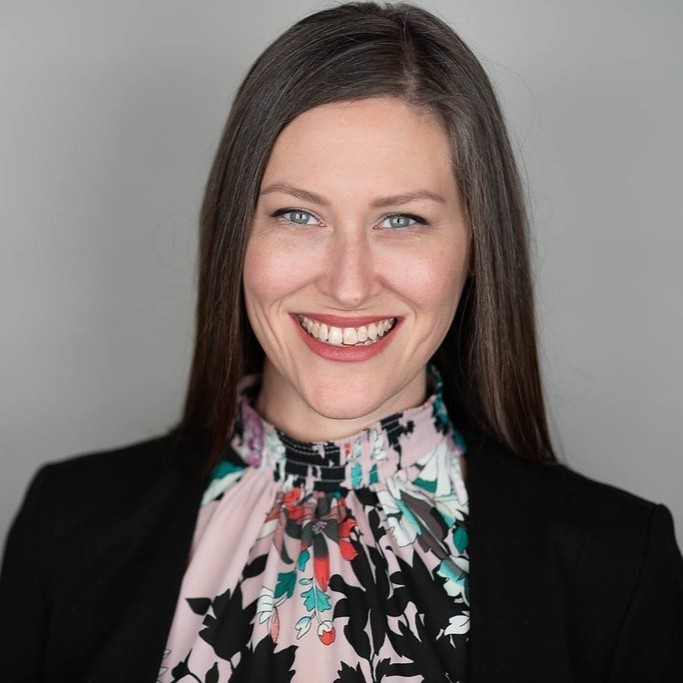

Pam Hurt, Terrill Elkin & Karla Trujillo-Watts
As BRASS, Inc. celebrates its 46th anniversary, three of its longest-serving team members reflect on decades of service. Between Pam Hurt, Terrill Elkin, and Karla Trujillo-Watts, they hold more than 75 years of institutional memory. This month, we asked them what keeps a person here—and what they’ve learned along the way.
When Pam first walked through the doors, the shelter had five bedrooms, a laundry room housed in a separate building outside, and only a handful of offices for staff to meet with clients. Terrill arrived to a place that was smaller in nearly every way, with storage areas badly in need of a makeover. Karla came twenty years ago, to a program a fraction of the size it is today.
Decades later, all three are still here—Pam as Chief Operating Officer, Terrill as Facilities Manager, and Karla as a Domestic Violence Advocate in Community Operations—and all three have watched BRASS, Inc. grow into something none of them could have imagined on their first day.
None of Them Expected to Stay
“When I first started, I thought it would be a temporary time of helping get the facilities in order and organized, then moving on,” Terrill says. “But it turned into a fulfilling career of helping others and serving the community.”
For Karla, it started with a phone call. A friend had enrolled her in a domestic-violence training; that Monday, a staff member called to ask if she needed a job. By Friday, she was working at BRASS, Inc. “A phone call that opened unforeseen opportunities,” she says. “I truly didn’t know what this job was going to be like.”
Pam thought she understood the mission when she arrived—a place that provided safety and shelter. “I quickly learned it was so much more than that,” she says.
Over the years, she watched the agency evolve from a crisis-response service into one that walks alongside survivors through housing, financial barriers, and the court system, “and so much more.”
What “Safe Space” Really Means
Ask Terrill what safe space means when your job is the physical building, and the answer starts where you’d expect—secure doors, a secure perimeter—and then turns somewhere unexpected.
“It’s making sure the space feels cared for,” he says. “When someone is already going through a difficult time, the last thing they need is another place that feels uncertain or neglected. I want them to feel like somebody thought about them when we prepared that space.”
Most of what he does, no one ever sees. A door that won’t latch, a light that’s gone out, a toilet that won’t flush—“those little things can become big things pretty quickly.”
Keeping the building running, he’s learned, is part of keeping the program running.
And that work is about more than maintenance. Terrill knows that every room, repair and carefully maintained space ultimately exists for a person who may be arriving at BRASS, Inc. during one of the most difficult moments of their life.
“You want to take care of the space because people come here during difficult moments in their lives. You want it to feel like a place where people matter.”
The Work of Knowing When to Step In—and When to Step Back
Pam has had to unlearn a different instinct: the urge to fix things for people.
“When you’re in this work, you naturally want to fix things. You want to make the phone call, find the apartment, get the person out.”
But that isn’t the job.
“Our job is to provide information and support, and a safe place for people to make their own decisions. Sometimes the most important thing you can do is listen and let someone know that you believe them.”
Even when she can see a different path, she’s learned to let survivors carve their own.
Karla arrived at the same lesson from the advocate’s chair. “When I started this job, I felt what made me a good advocate was to try to do everything for my clients,” she says. “But in order to empower them, I had to learn to give people options and trust that they’ll make the best choices for themselves in that moment—and let them make those choices with no judgment.”
Two very different roles, the same hard-won conclusion.
That perspective reflects one of the central principles of the organization’s work: providing a safe place, information and support while respecting each survivor’s right to make their own decisions.
Misconceptions About Domestic Violence
Ask what people misunderstand about this work, and both Terrill and Karla go straight to the same myth. “There is a certain type of person it happens to,” Terrill says. “There isn’t. It can happen to anybody.”
Karla fills in the picture. Domestic violence, she says, is more than physical abuse—there are many controlling behaviors people don’t always recognize as abuse, like financial control and digital abuse. And survivors come from every walk of life. “I’ve worked with professionals with a college degree, and with clients who didn’t have a high school diploma. People from different cultural, religious, social, and economic backgrounds all experience domestic violence.”
What she’s learned from all of them is that no two stories fit the same mold. “Each person’s experience is unique to them. I’ve seen many survivors succeed in life after facing real barriers—it teaches me they are strong, resilient, and courageous.”
Impact, Seen and Unseen
Some of the work these three are proudest of plays out far from the spotlight—and some of it reaches all the way to Frankfort.
For Pam, it’s advocacy that reached the state level—helping support legislative changes addressing strangulation and third-offense fourth-degree assault.
For Terrill, it’s quieter still. “Sometimes the simplest things end up meaning the most,” he says. “You might think you’re just fixing a room, putting together furniture, getting a space ready for the next person. But then you see someone come in and realize that, to them, it’s not just a room. It may be the first place they’ve felt safe in a long time.”
For Karla, the proof shows up in moments most people never see. One client she worked with saved through the agency’s IDA program and bought her first car and her first home—and was finally able to get hearing aids.“ To see the look on her face when she was able to hear her footsteps on the pavement was priceless.” Other days it’s a call from a client sharing the news of a work permit, a residency card, or citizenship.
Much of that is possible because of an immigration program Karla helped build, along with partnerships with allies like Catholic Charities, Kentucky Legal Aid, and the Maxwell Clinic. “I’m proud of the immigration program that has helped many clients adjust their status,” she says.
Three jobs. Three vantage points. The same purpose: making sure the agency is there when someone needs it.
Advice for Day One
All three were asked what they’d tell a new hire that no training covers.
“It is never dull here,” Pam says. “Expect the unexpected. No two days are exactly the same, and things can change very quickly. Don’t be afraid to lean on the people around you—your peers are one of your biggest resources. And be prepared to laugh and cry, because there will be plenty of both.”
Terrill puts it plainly: “Pay attention to the little things. If you see something that needs to be done, do it. Don’t always wait for somebody to tell you.”
Karla keeps it short: “You may have some ideas of how to do this job, but try our way first.” And to her own first-day self, she’d offer reassurance: “You’ll get this eventually. It may seem like a lot right now, but you’ll get it—and learn from the ones who have experience doing this work.”
Across their years at BRASS, Inc., all three have learned that the work is rarely predictable—but it is always connected to something bigger than any one task.
Looking Ahead
All three hope for the same thing over the next ten years: room to grow.
Pam wants a bigger shelter and more resources to meet survivors where they are—and an agency where staff feel supported, valued, and cared for. “This work is hard. If we want to continue providing the best services to survivors, we have to take care of the people doing the work, too.”
Terrill pictures a new space built to handle heavy daily use—commercial-grade equipment in the kitchen and laundry—without losing the welcoming, home-like feeling everywhere else.
Karla hopes to see the agency keep growing to better serve survivors, and imagines a bigger facility that could finally bring all of its departments together under one roof.
And what does Pam most want the next generation of staff to inherit? Not the phrase “this is the way we’ve always done it.”
“I want them to look at what we’re doing and ask, how can we do this better? I hope they inherit the courage to make change happen, so survivors will always know they have a safe place to stay if they need it.”
A Legacy of Safety, Hope and Service
Which brings Pam to the thing she’s proudest of.
There are people who came through BRASS, Inc. as children who still remember it—remember that in the middle of something frightening, this was a place where they felt safe and had hope.
Some of them are adults now, and some are coming back. “What means the most to me is seeing them recognize that they don’t have to stay in an unsafe situation. They’re reaching out sooner and making different choices for themselves and their children. To me, that’s what breaking the cycle looks like.”
For Karla, what carries her through the hard days is her faith—and a belief that a small act of kindness can change the course of someone’s day. “To treat others the way I would want to be treated if I were in their shoes.”
Forty-six years in, the mission remains the same: providing safety, support and hope to survivors and families who need it.
It’s the people carrying that mission—some of them for decades—who keep asking how to do it better.
Because BRASS, Inc. is more than a building.
It’s a place where people matter.


Comments